
The Many Lives of Roméo & Juliette
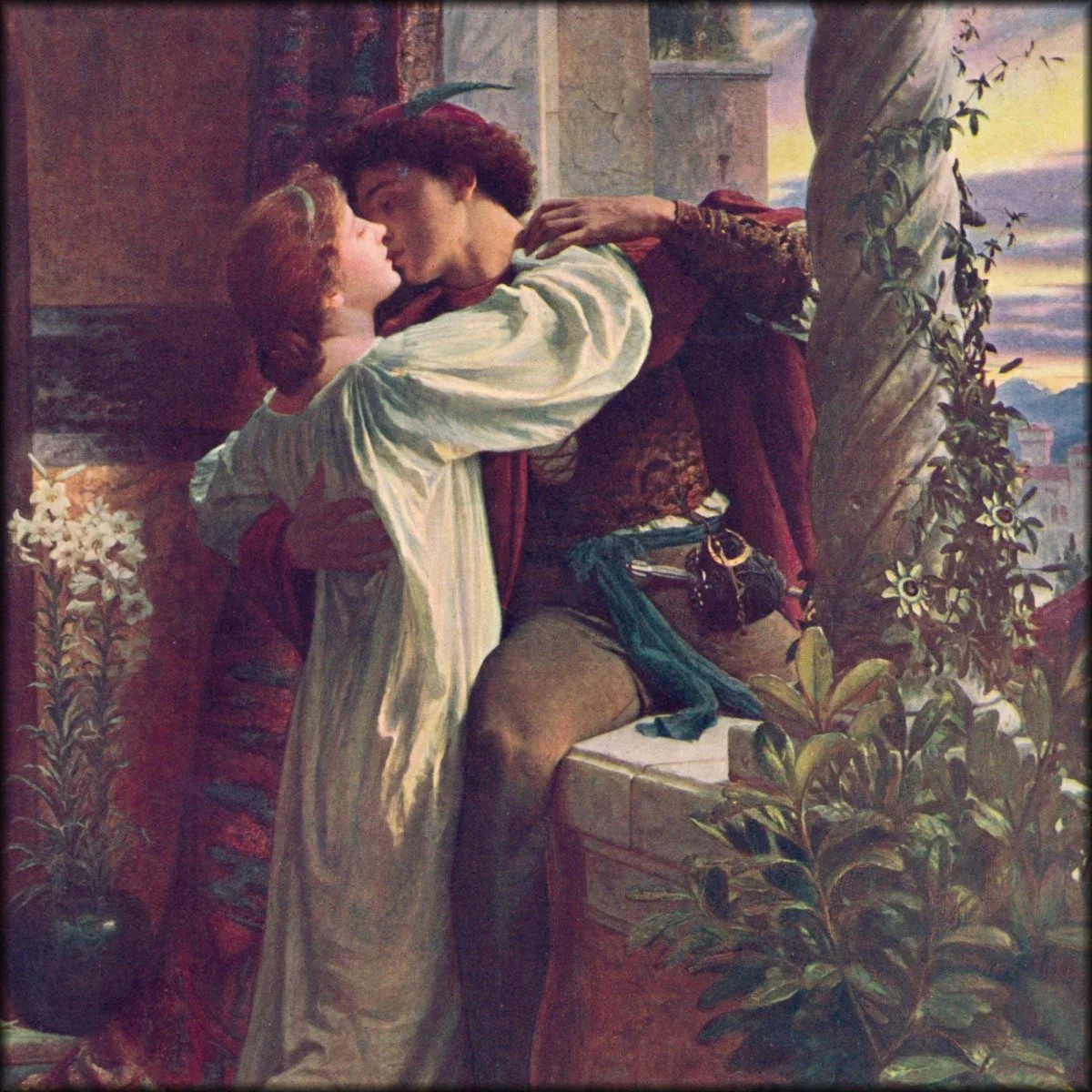
Few stories have captivated the classical music world quite like Romeo and Juliet. There have been nearly a dozen major adaptations by classical composers alone, spanning operas, ballets, choral symphonies, and orchestral overtures. Each one makes different choices about what the story is really about. Before Resonance Works brings Gounod's version to the stage, here's a tour through the most important ones.
By the mid-19th century, the era of grand opera was winding down. Composers were scaling back, trading spectacle for intimacy in a new genre called opéra lyrique. Gounod was at the forefront of this shift. His Faust was one of the genre's first major triumphs, premiering in Paris and racking up a staggering 300 performances at the Théâtre Lyrique between 1859 and 1868.
That kind of success gets people's attention. The theater's director came calling, commissioning Gounod for another opera. He reunited with his Faust librettists, Jules Barbier and Michel Carré, and together they turned to Shakespeare for inspiration. The result was Roméo & Juliette, the last great hit of Gounod's career and a landmark of the French operatic repertoire.
Barbier and Carré were just getting started, for what it's worth. They went on to adapt another Shakespeare play, Hamlet, for composer Ambroise Thomas. Not a bad résumé.
Berlioz's Roméo et Juliette (1839). Hector Berlioz composed a sweeping choral symphony inspired by the play, a hybrid work for soloists, chorus, and orchestra that defies easy categorization.Like Gounod's opera, Berlioz's version also uses the David Garrick’s alternate ending, with the lovers reunited in Juliet's tomb.
Bellini's I Capuleti e i Montecchi (1830). Bellini beat Gounod to the punch by nearly four decades with his own operatic take on the story. Interestingly, the libretto by Felice Romani didn't draw directly from Shakespeare at all, but from earlier Italian source material, putting it much closer to the da Porto tradition that started it all.
Prokofiev's Romeo and Juliet (1935). Prokofiev's ballet score is renowned for its vivid characterizations and blend of lyrical romance with angular, modernist tension. The score was originally intended to have a happy ending, but Prokofiev ultimately decided that changing the plot was an insult to Shakespeare and kept the tragic conclusion.
Bernstein's West Side Story (1957). Leonard Bernstein transplanted the entire story to 1950s New York, trading the Montagues and Capulets for rival street gangs and Verona for the Upper West Side. It's proof that the bones of this story are so strong they can survive almost any reimagining.
So what makes Gounod's version special?
With so many adaptations to choose from, what sets Gounod's Roméo & Juliette apart?
Because the story of Romeo and Juliet is so multifaceted, each creator has to choose their own path. Prokofiev leans into the feud, and all that conflict translates beautifully into choreography. But Gounod plays to his own strengths: sweeping melody, soaring romance, and emotional intimacy. His opera has four separate lovers' duets, and the music never loses sight of the two people at the center of the story. Where other adaptations pull back to take in the political landscape, Gounod moves closer. You feel every moment of the love story as it happens.
The opera premiered in Paris in 1867 and went on to become the most successful of some 40 operatic adaptations of Shakespeare's play. It has become a vehicle for glamorous star couples on the world's great stages, and it remains a cornerstone of the French repertoire to this day.
Don’t miss your chance to experience this incredible opera in all of its romantic, tragic, urgent glory.
