
The True Story Behind Roméo & Juliette
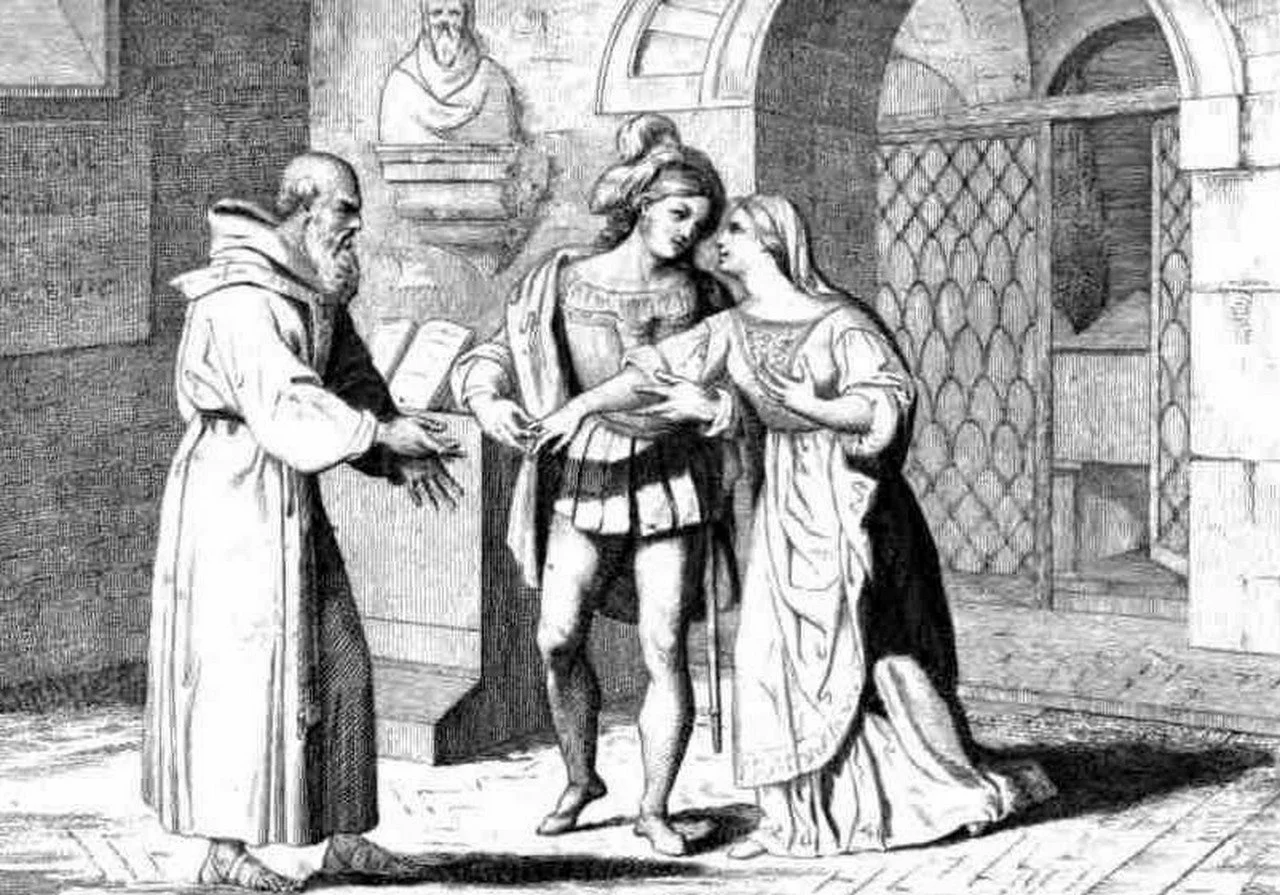
When Resonance Works brings Gounod's Roméo & Juliette to the stage, audiences will watch a love story that has been told and retold for five centuries. But most people don't know where it actually came from, or how much of it is rooted in real life.
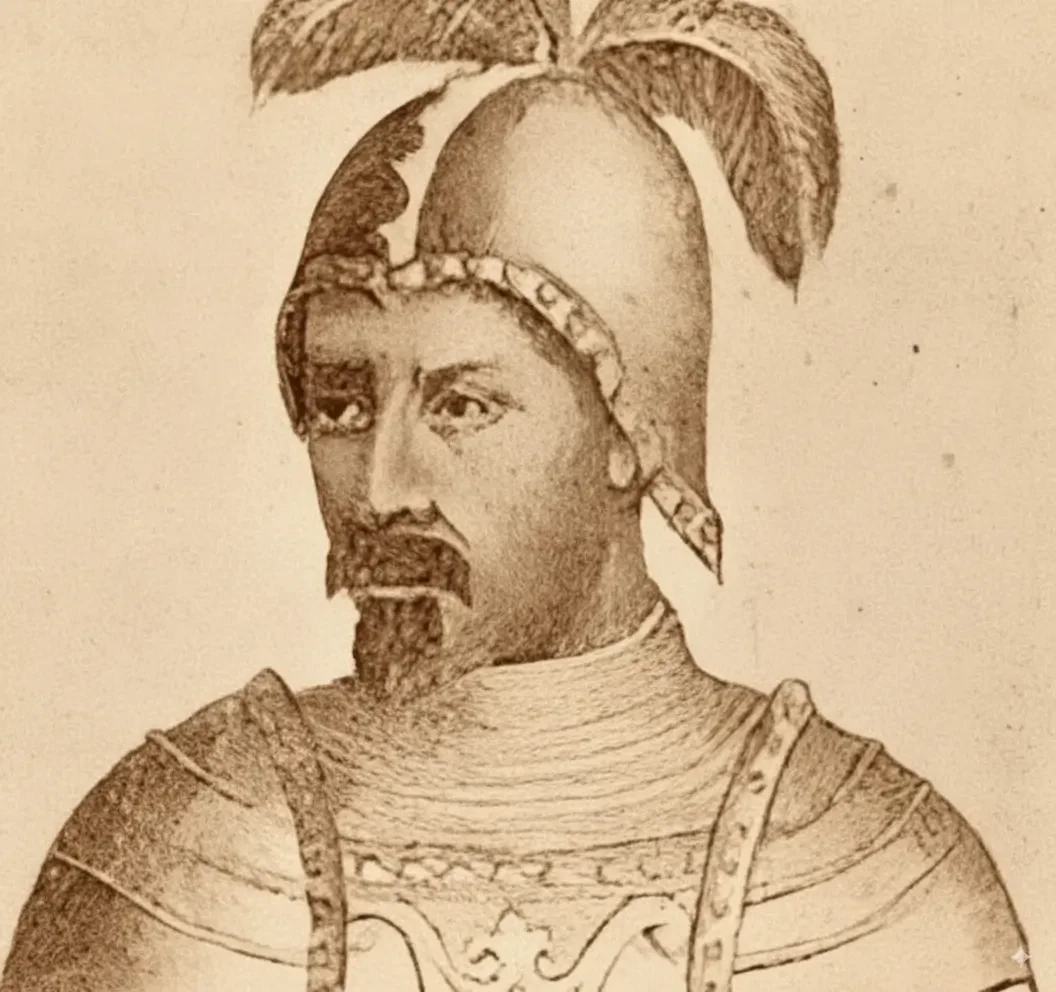
It starts with a broken heart
The story traces back to an Italian writer named Luigi da Porto, who penned A Novel of Two Lovers and Their Death in Verona in 1517. His inspiration wasn't imagination. It was his own life.
Picture it: Friuli at the dawn of the 16th century, where soldiers were clashing, noble families were feuding, and a young cavalry captain named Luigi fell head over heels for a woman named Lucina on the Thursday of Carnival in 1511 (Shakespeare kept that detail). The same night, two rival noble families, the Savorgnan del Monte and the Savorgnan de la Torre, exploited a peasant uprising to wage war on each other for political power. The seeds of the Montagues and Capulets were planted that night, in a real place, in a real night of violence.
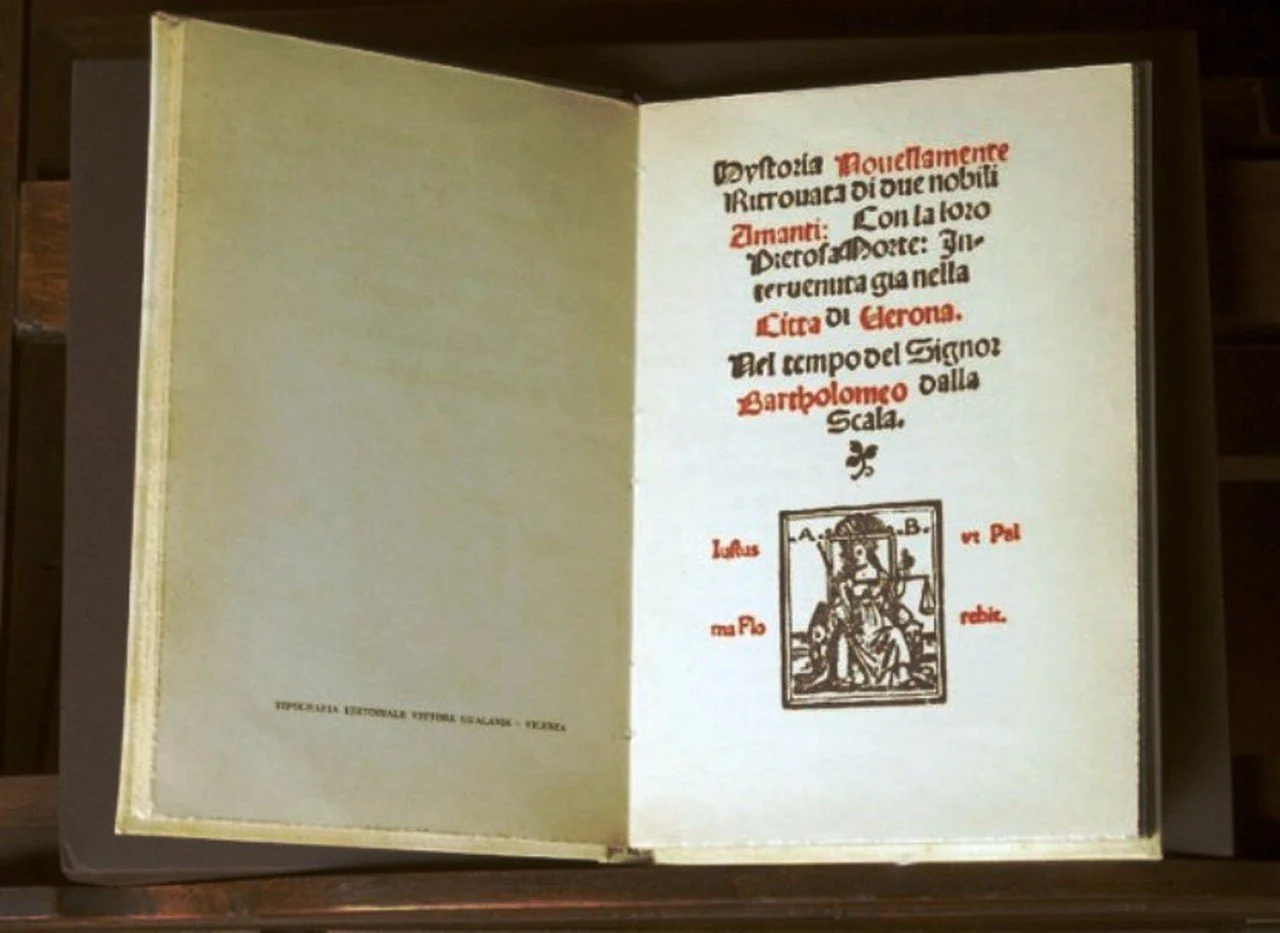
The story takes a heartbreaking turn. Da Porto was wounded in battle later that year and left a paraplegic. Upon returning home, he was rejected by Lucina, who had married someone else. He turned his grief into literature, and the rest is history.
Because there were no copyright laws at the time, the story was borrowed, adapted, and retold almost immediately. Writer Matteo Bandello wrote his own version, a French adaptation followed, and English poet Arthur Brooke brought it to England with The Tragical History of Romeus and Juliet, almost certainly the version that landed on Shakespeare's desk. All of this happened within a few decades of each other.
How does Gounod's opera compare to the play?
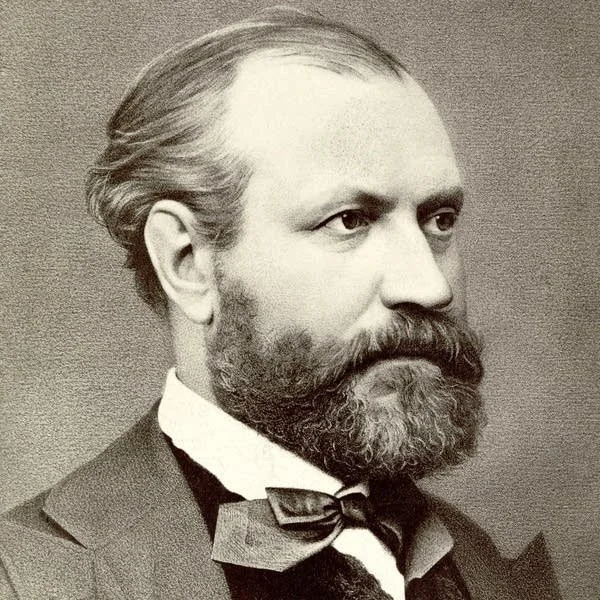
Charles Gounod
Shakespeare's Romeo and Juliet is as much a political work as a love story. The Montague-Capulet feud reflects the violent power struggles of Renaissance Italy and echoes England's own Wars of the Roses. Lord Capulet's insistence that Juliet marry Count Paris is a political transaction, and Juliet's rebellion against it is, in its way, an act of defiance against patriarchal authority. Shakespeare could raise these thorny themes safely by setting them in faraway Italy, well out of Queen Elizabeth's crosshairs.
Opera doesn't have the luxury of long soliloquies, and your evening will thank it. Gounod plays to his strengths: sweeping melody, soaring romance, and emotional intimacy. In his telling, the politics recede and the love story takes center stage. Count Paris barely registers in the opera, and in our upcoming production he doesn't appear at all.
What about the ending?
Both versions end in tragedy. But how it unfolds is different, and the reason why is its own fascinating piece of history.
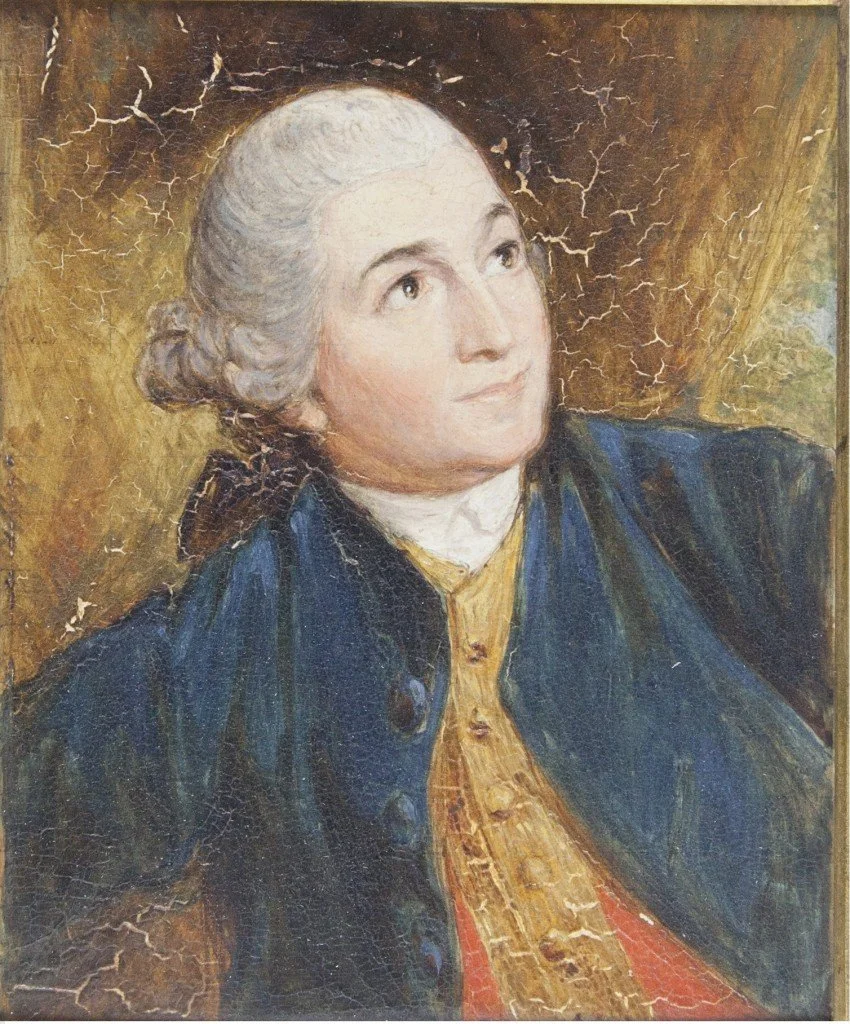
David Garrick
In Shakespeare's original, Romeo dies before Juliet wakes. She finds him gone and takes her own life alone. In 1769, actor-director David Garrick staged a version at London's Drury Lane in which Juliet wakes just before Romeo dies, giving the two lovers a final, agonizing scene together. It was wildly popular, so popular that it appeared in multiple subsequent publications of the play, and some audiences genuinely preferred it to the original.
Barbier and Carré, the librettists who adapted the story for Gounod, based their version on this tradition. It's easy to see why, since opera was practically invented for the final death duet. The result is one of the most emotionally devastating closing scenes in the repertoire.
So when you take your seat for Resonance Works' production of Roméo & Juliette, you're not just watching an opera. You're watching five centuries of longing, loss, and storytelling find their way to the stage.
